NOVEMBER 2, 2026 – Recently on the campaign trail, Trump told his MAGA faithful that high gas prices were “a small price to pay” to prevent Iran from acquiring a nuclear weapon. He added that prices are “gonna come way down” but without explaining when or how. Again, Trump was big on hot air and not so big on words tethered to reality. Then in his typical fashion, Trump celebrated the “positive” side of his otherwise losing war against Iran: “I don’t give a damn [about high gas prices]. We’re making a freaking fortune.” The “we” of course, aren’t members of MAGA or the American people generally. “We the people” in this context are members of the oil and gas industry.
According to polling on the eve of Election Day, however, the price of gas remains a major issue among voters. As we all know, the price of gas and diesel fuels higher costs of all consumer goods, given that “If you’ve got it, a truck brought it.” (A promotional slogan you’ll see among 18-wheelers on the Interstate.)
What’s distressing about the central issue of this election is the deafening silence among candidates—and the reporters who follow them—when it comes to the biggest threat to our species. And I’m not referring to AI. I mean the rate and intensity of anthropogenic climate change, the evidence of which surrounds us. Given the direct links between our burning of fossil fuels and overall warming of the planet beyond targeted levels, and in turn, the nexus between global warming and accelerating climate change, voter concern over the price of gasoline and diesel fuel is charged with irony. Not surprisingly, motorists drive less as the price of doing so increases; that is, the stress on the planet lessens in correlation to higher fuel costs because of “Trump’s dumb war.” If only the Strait of Hormuz were open again so shipping could resume so the price of oil would drop so we all could drive more—returning to pre-war levels of fossil fuel emissions!
I thought about this irony while I was assembling and installing the last of my “anti-deer, hemlock tree cages” in the woods of Björnholm in northwest Wisconsin. When you spend as much time as I have in that corner of the earth—throughout the seasons—you notice over the decades, changes in the environment; changes versus variations. Much less extreme cold in the winter; longer periods of above-normal temperatures throughout the seasons; more insects in late fall; more ticks in the summer; and now that I’m on a first-name basis with dozens of hemlocks and hundreds of pine saplings, various fungi and diseases that in previous years were curtailed by more severe winters; more frequent droughts and chronically lower water levels in “our” lake and in other lakes in the region; punishing downpours when rains do come, and more destructive winds. As I completed “Project Hemlock” today, I wondered—what will become of the earth in another 20 years and at the end of the century, still within the lifetime of our grandchildren? And what will become of the woods I’ve walked in and through and around a thousand times?
Despite the frenzied talk of late about AI, the causes and effects of climate change remain a super-priority. No longer is the threat distant or theoretical. It’s upon us here and now. At the vortex of climate change, of course, is our insatiable consumption of energy—energy still heavily dependent on fossil fuels, which is what renders the global economy so vulnerable, given the geography of the oil-rich Middle East as revealed so sharply by Trump’s war against Iran.
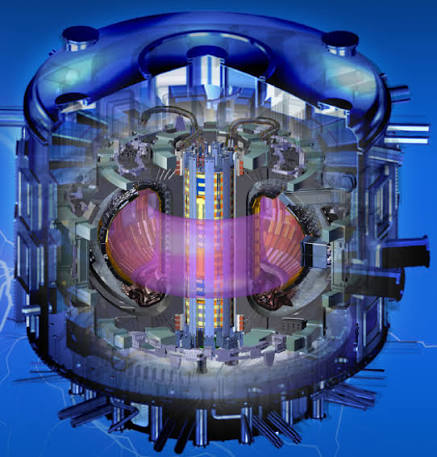
The mid-term campaign did nothing to address the critical mismatch between our ever-increasing demand for energy and generation of green energy. I’m not aware of a single candidate for Congress this time around talk about the true price of gas once the new Congress forces Trump to end his endless stalemate against Iran; that is, the price of gas at the pump plus the cost of developing commercially scalable alternative energy sources plus the cost of not addressing climate change by way of cogent national policies. I would’ve hoped for some candidate or another to propose a NASA-like moon mission for developing game-changing technological breakthroughs in commercially viable energy generation (e.g. nuclear fusion). Instead of spending over $40 billion (thus far) on a war without purpose and without “victory”—let alone Hegseth’s proposed $1.5 trillion military budget for the next fiscal year—our limited resources should be redirected from costly armaments and personnel designed for wars of the past to fixing our economic and security vulnerability due to our reliance on fossil-fuel-generated energy.
Time is short in any event, but the first step in addressing the country’s structural economic and security needs is to put Democrats in charge of Congress—both houses. The second step will be for the new Congress to take charge on policy fronts and tackle the most serious issue of our day: climate change. One can hope for a “moon-landing”-like effort to develop quantum advances in green energy technology and generation.
Subscribe to this blog and received notifications of new posts by email.
© 2026 by Eric Nilsson
