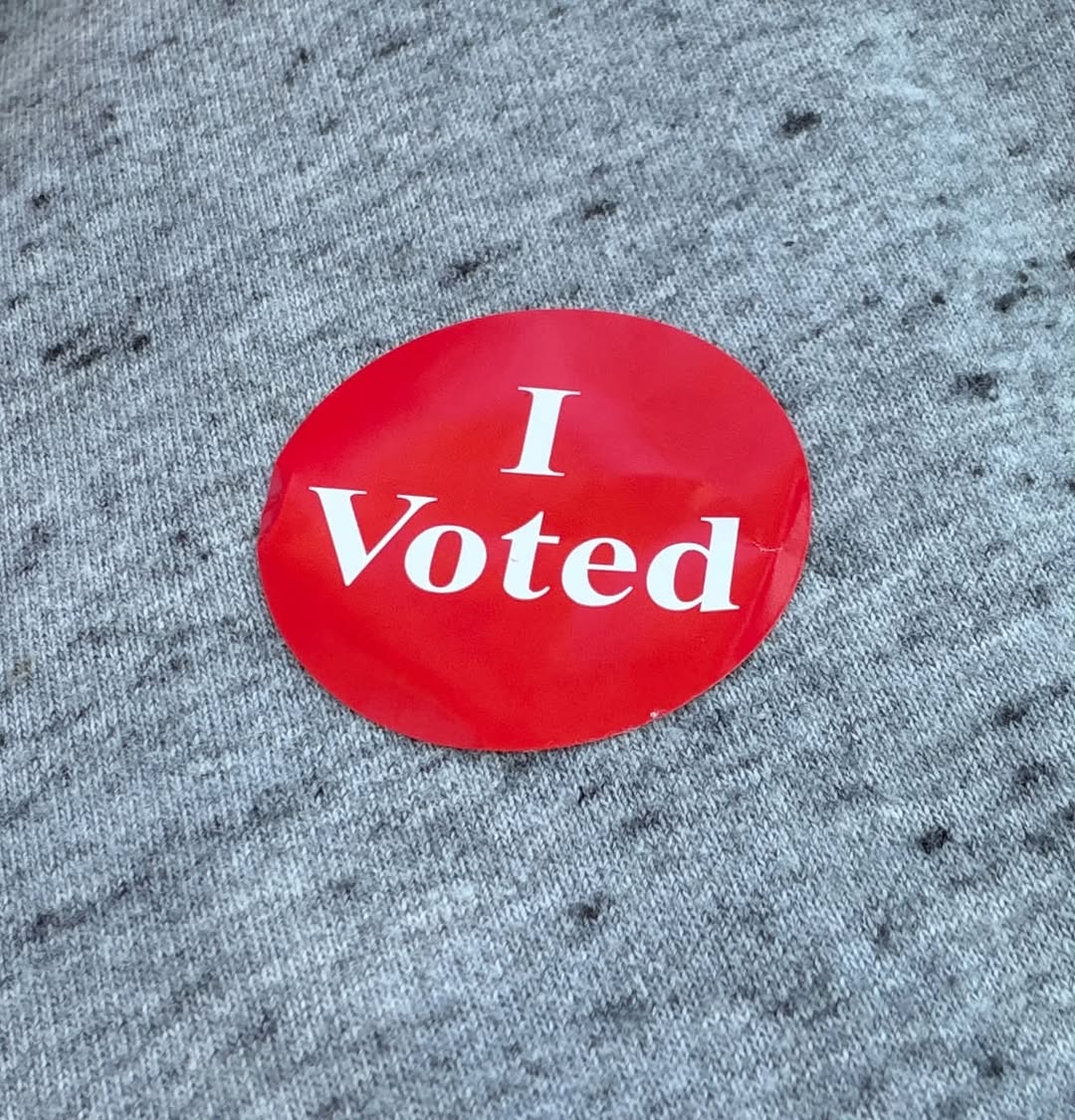
NOVEMBER 4, 2026 – As a voter on the blue side of the aisle, I am feeling cautious relief over yesterday’s stunning Democratic upset. By general consensus among analysts, the mid-term election was a referendum on President Trump and his enablers; more specifically, on issues produced directly emanating from bonehead moves by the Charlatan in Chief: 1. Inflation integrally linked to the war against Iran; 3. Cruelty manifest in goon operations under the guise of Immigration and Customs Enforcement; and 3. Grift, graft and corruption in the White House, while millions of Americans struggle to keep their nostrils above the waterline.
I would be celebratory if I weren’t mindful of the salient features of modern democracy in a large pluralistic society: impatience and short attention spans. Once issues become intractably complex, they become less susceptible to simple—let alone simplistic—resolution. Given relatively short-term election cycles, the modern democracy becomes fertile ground for the rise of extremes, left and right, with demagogic answers based on pat analyses but no real solutions. In the moment, members of the winning party can cheer their victory, but the voters responsible for the victory will be expecting tangible results all too soon. Democrats must deliver substance with alacrity or the voters’ “order” will be summarily cancelled.
This election, however, was different from most, and perhaps a degree of sanguinity is justified. First, the advantage of Big Money proved to be illusory, especially in Texas. Among so many other welcome features of the Blue Wave was the supreme gratification of watching Elon Musk sink half a billion of his bucks down a rat hole. Genius investment that one. A corollary, to borrow half a phrase from Democratic operative, James Carville, “It’s the one person, one vote, stupid.”[1]
Second, to pick up on exactly that—one person, one vote—what this election showed many people heretofore convinced that their votes and voices didn’t count, is what can happen if they do make the effort to vote. It was a classic exhibition of the adage, “The world is run by those who show up.” According to election guru political scientist Michael McDonald of the UF [University of Florida] Election Lab, the nationwide percentage turnout among eligible voters was 49.42%, just a smidgeon under the 50.05% in 2018—the most since 1914. In six states, the turnout percentage exceeded 60%. Minnesota, I’m proud to say, led the nation at 64%. The effect of the Blue Wave this time around, however, will be more profound, given how far downhill the Republicans pushed us—and I predict, how far back up the hill the Democrats will pull us between now and 2028.
Third, the Blue Wave was so convincing in individual race margins and overall magnitude, Trump and election denier parrots had no chance to pull another election fraud by claiming . . . election fraud. We have reason to expect that the “solution in search of a problem” (the Republicans’ voter suppression campaign justified by the red herring of voter fraud) is now a spent force, with vastly diminished appeal as an alternative to winning or losing over substantive policies.
Given the momentum created by yesterday’s victory, Democrats now have an opportunity to deploy their newfound political capital. But they must proceed judiciously at the same time they do so boldly. Right or wrong, voters will expect results at a pace that in many cases is unrealistic. Therefore, a Democratic Congressional strategy group needs to form post haste to develop a set of short-term legislative objectives and corresponding messaging campaign: 30- to 120-day goals that demonstrate action, success, and commitment to improving the lives of Americans. There is some low-hanging fruit in this regard—ending hostilities against Iran, for example (with a U-turn in gas/diesel prices); rollbacks of tariffs; restoration of health insurance subsidies (with the cost offset by the fanfare announcement that Hegseth’s $1.5 trillion budget request is DOA); and comprehensive, bi-partisan anti-corruption legislation—let Trump veto that!
With the primary focus on countermanding damage done by the Pyrite Pirate, the new Democratic Congress should conduct “accountability investigations.”[2] A critical aspect of these would reside in the messaging that accompanies them: a lucid explanation that connects the dots for the American public; that is, how all aspects of life in the republic depend ultimately on good governance and that good governance hinges on accountability. Not retribution. Accountability. Trump has already been held accountable politically. Impeachment proceedings, if any, should be reserved for Hegseth—if he doesn’t resign or isn’t fired before January 3. Few Republicans eyeing re-election campaigns in 2028 will mourn his political demise.
I have confidence in the new crop of Democratic faces. I sense that while “wish lists” among them might cover a wide spectrum, there exists among this incoming class, as well as among current leadership, a sense of urgency about righting the ship of state. That means they understand the “short list” among voters, and that principled pragmatism will be the order of each day between now and November 7, 2028.
Subscribe to this blog and receive notifications of new posts by email.
© 2026 by Eric Nilsson
[1] In the 1992 presidential campaign, Carville famously wrote a reminder on a whiteboard at Bill Clinton’s Little Rock headquarters, “It’s the economy stupid.” The contributed much to the defeat of incumbent President George H.W. Bush.
[2] A special deputized committee of the American Bar Association should investigate and report ethics violations by DOJ lawyers, with an eye to disbarment. This could serve as a crucial first step in repairing the DOJ from the ground up, since Trump and his minions have destroyed it from the top down.
