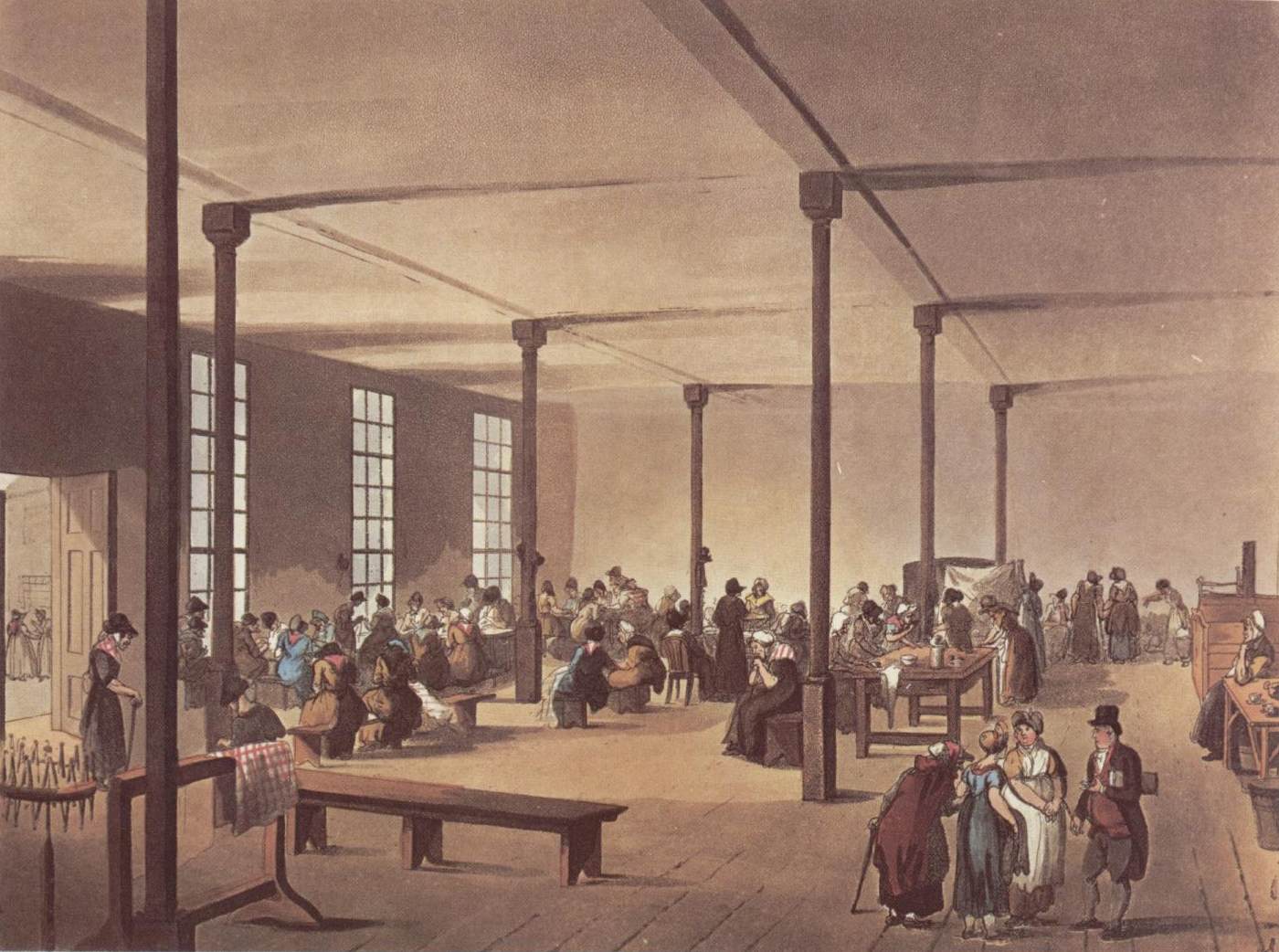
NOVEMBER 19, 2026 – On my drive to the cabin today—for my annual bud-capping of white pine saplings to protect them against winter browsing by the deer—I listened to an interesting discussion on MPR about elder care. The springboard was a recent SNL skit called, “Sister”—the answer to a guy’s need to find a home health aide for his aging dad. (“Just text, ‘Dad fell,’” went the script, “and your sister will drop everything and fly across the country to take care of Dad, and you [the guy] will get to leave and do whatever you want.”) The skit was hilarious, but the points it made were sobering.
As callers into the show described their care-giving experiences—in which women overwhelming assumed the brunt of the burden—I reflected on our own family trials and tribulations regarding care of our old folks. There were moments, to be sure, and extended episodes that tried the patience of everyone involved, not to mention chronic challenges that had no resolution except the ultimate one facing every mortal. On balance, though, time works as a wood file and sanding block on all but the roughest edges, corners and surfaces. When recalling my elders I don’t dwell on the sharp splinters accompanying their old age. Instead, I caress the positive memories generated by my interactions with those exceptional people. I can but hope that our sons and grandchildren will likewise find that the positive in their recollections of my wife and me outweigh the negative; more specifically, that the burdens of our care in old age won’t overshadow the good memories that accrue before we grow burdensome.
The discussion on the radio featured University of Minnesota Professor Joseph Gaugler, PhD., Distinguished McKnight University Professor and Robert L. Kane Endowed Chair in Long-Term Care and Aging, School of Public Health. Very down to earth with extensive practical experience, “Joe,” as he preferred to be called, laid out the looming blockbuster issue facing the United States, as well as other industrialized countries with aging populations. He emphasized the need to approach the challenge of elder care as a matter of national infrastructure, instead of the current ad hoc method of patching together public, private and volunteer-based “solutions.”
To understand the full panoply of ethical, financial, medical, and organizational factors involved in elder care would take more than a one-hour call-in public radio show—or even a three-day symposium. To develop ideas—and ways to pay for them—would require months more of organized discussion by a combined force of academics (armed with research data), care-providers, geriatric medical and psychological experts, economists, experts in public finance and public health, health care lawyers, and care-providers and care-givers.
As I drove across the November countryside, my thoughts settled upon the magnitude of the elder care issue—along with its companion problems of access to affordable . . . health care, day care and public education, all of which should be treated as vital elements of our national infrastructure. None of these arenas is static. Each ties directly to demographic trends. As the population ages without a compensating increase in immigration, younger people will bear the ever-increasing burden of building and sustaining this infrastructure. Without a sharply reduced defense (“war”?) budget and reallocation of resources and an overall increase in productivity, the diversion of labor and capital to kinder-care, health care, elder care and education, will saddle the country with an ultimately unsustainable economic burden. Yet, if we don’t figure out how to take care of ourselves, our children and their grandparents (and great-grandparents), in what kind of unhealthy, ill-educated, irritable, unfulfilling country in decline will we find ourselves trying to survive?
We must find a way. As with the other 101 looming issues associated with our crumbling and neglected national infrastructure, the journey begins with acknowledgment. Yet no corner of the mid-term campaign addressed this critical issue, except tangentially by way of candidates pressing for legislation improving “affordability.” All too often, the sound-bytes ended with “tariff rollbacks” (and thus lower consumption taxes), “end the conflict with Iran” (to lower gas, diesel and fertilizer costs) and “restore health insurance subsidies” (leading to premium, deductible and co-pay relief). But these measures are little more than ripe, low-hanging fruit. Addressing the high cost (manifested in myriad ways) of elder care is a much harder nut to crack. A significant provision for elder care was in Biden’s infrastructure bill initially but then erased before passage. As Democrats prepare their legislative agenda, elder care needs to be included, this time in indelible ink.
Subscribe to this blog and receive notifications of new posts by email.
© 2026 by Eric Nilsson
