NOVEMBER 26, 2026 – I’m amazed by a lot of stuff, especially my lack of capacity for greater amazement. I think this limitation exists for nearly everyone and forms in our earliest days. When we’re barely out of the cradle, our frame of reference is such that we’re often surprised but rarely amazed. When Jack-in-the-box pops out after a few turns of the crank, we’re surprised to see his smiling face, but his sudden appearance can hardly “amaze,” when at that stage of life, pretty much everything we encounter is new and different. If we’re going to be amazed by Jack springing forth from a metal (or these days, plastic) box, we should be just as amazed by the ointment that gets squeezed out of a tube and rubbed on our butts to bring relief from a rash, which relief, is just one more cause for amazement—atop countless other things, occurrences, encounters that ought to prompt amazement if we assigned any thought at all to them. But given the constant barrage of stuff that we encounter, our young brains simply don’t have sufficient folds to lock onto every circumstance calling for a reaction of amazement.
Before you know it, we’re teenagers, trying desperately to be nonchalant about everything, a trait that works even more effectively against amazement.
We then grow up, or, in my case, pretend to do so, and continue through life with all its twists and turns, ups and down, successes and failures, expectations and surprises, until one day we realize we’re years older than our grandparents were when they seemed really old. On that day we experience . . . amazement.
The feeling expands as we mount the balcony of our later years and survey the distant horizons of our past and all the terrain between the edge of memory and the railing on which we now lean. With this newfound perspective on the roads, hills, fields, rivers, and centers of abode and commerce of life, we feel a surge of amazement. We ask ourselves, how could it be that we took so much for granted? How could we be so wholly oblivious to 99.99% of the people, places and things out there across that landscape?
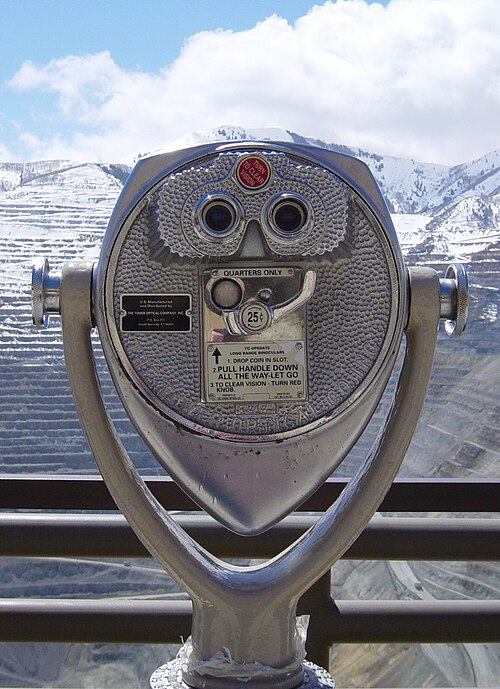
With a mix of regret, curiosity and trepidation, we dig into the bottom of our old travel packs and fish out quarters to activate the ancient coin-operated tower viewer standing at the end of the balustrade. As the meter ticks away, we see one random thing after another that triggers amazement. Our curiosity overwhelms regret and trepidation. “How in the world does [this, that, and the other] work? How on earth do people do all the amazing things they do? How in the grand scheme of things do so many things work out for as long as they do? From the game of baseball to the flawless rendition of a Paganini Caprice to brain surgery to canned tuna to an automobile logging 150,000 miles over its operating life to a plane taking off from point A and landing on a strip of pavement at point B—not to mention 105,000 other planes worldwide doing the same thing every single day of the year—to innumerable other human acts and actions with and without technological leverage . . . how is everything made, used, maintained?”
But the most pressing question raised by the 25-cent-look through the tower viewer is, why hadn’t we found amazement sooner?
Subscribe to this blog and receive notifications of new posts by email.
© 2026 by Eric Nilsson
