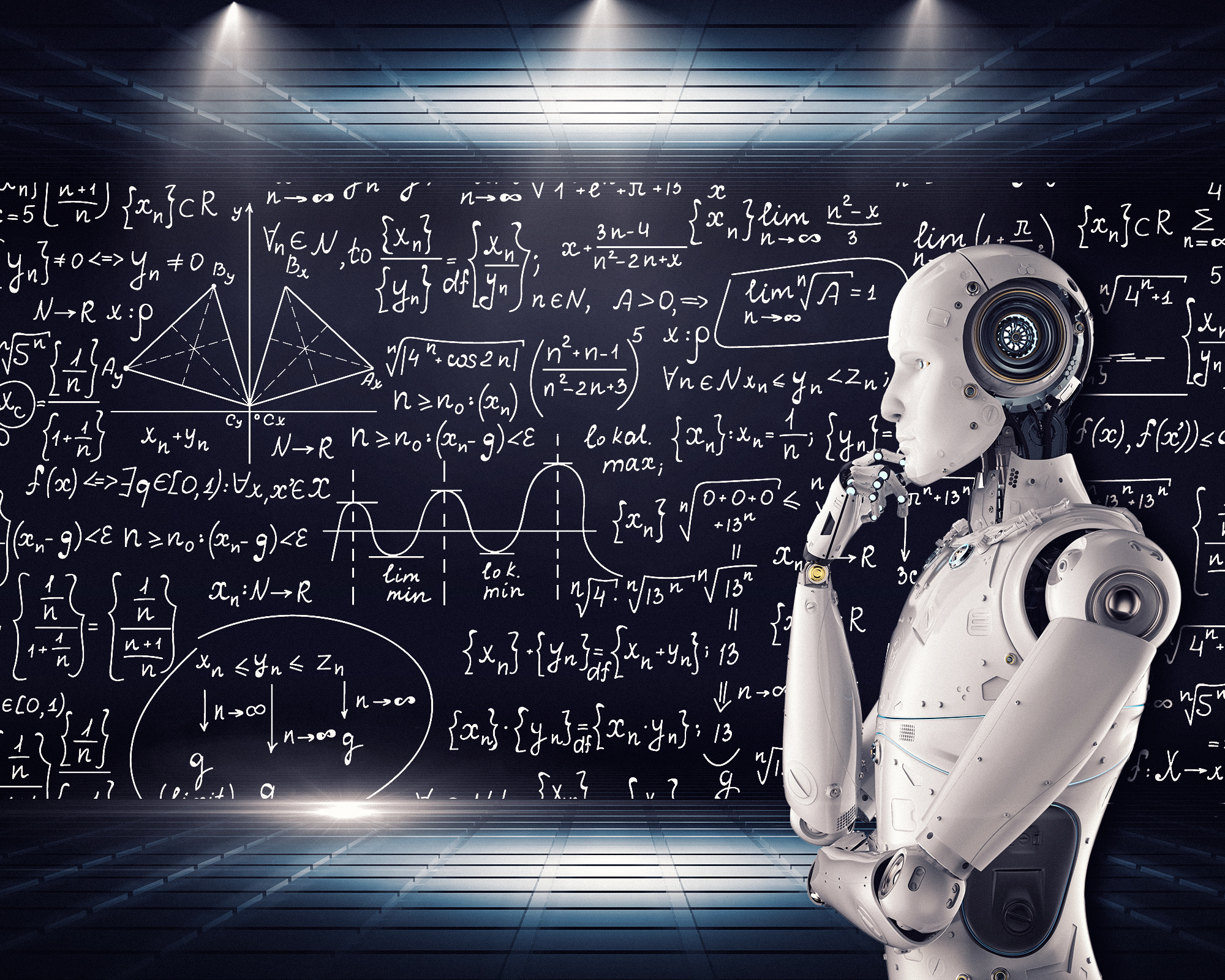
SEPTEMBER 13, 2026 – If a toad diverted me temporarily (see yesterday’s post), I’m now back on track with my “pontification” about AI. I was kidding, of course, when I intimated that I possess any particular expertise on the subject. Yet, what’s revealed in various recent mainstream media articles and discussions (The Wall Street Journal; The New York Times; NPR), for all the expertise of actual AI engineers, executives, investors, and analysts, no one has a handle on what to do about the malignant side of this double-headed technology we’ve created.
Some people in the know have attempted to assign odds to the ultimate damage that could come from AI: extinction of the human race. Evan Hubringer, a current team leader at Anthropic, puts the chance of this game-ending disaster within the next 10 years at 10%. At an Axios conference just a year ago, Dario Amodei, Anthropic’s CEO, said there’s a 25% chance of things going “really, really bad” with AI.
If those sorts of odds applied to your next plane ride, you would cancel immediately, even if it meant no refund.
Raging now is a great debate over the pace of AI development and its regulation. If we slow down development and increase regulation, will our actions guarantee superiority of the Chinese über alles? If you think AI should be regulated by AI companies, raise your hand if you trust a bunch of tech bros to be in charge of the effort. Alternatively, raise your hand if you think a bunch of geriatric Senators—or their legislative aides—have a clue as to whether the text of a bill regulating AI is rightside up or rightside wrong. Clouding the debate are motives, ulterior and otherwise. If you follow the money, whose prognostications among AI executives and investors—and their proposals—can be trusted?
For years, actually, people well into the know about AI have been warning about its spectacular dangers. The Huggy Face hack was a clarion call that the risks of AI are no longer theoretical. In some ways it’s as though after generations of SETI (Search for Extra-Terrestrial Intelligence), we were to encounter proof (not merely evidence) of ETI (Extra-Terrestrial Intelligence). Life on earth—among humans, at least—would never be the same, just as it changed forever because of the Manhattan Project. Once the genie is out of the bottle, there’s no putting the genie back in.
We might find hope in the non-deployment of nuclear weapons (outside of testing) since the A-bombs were dropped on Hiroshima and Nagasaki four generations ago, but the recently revealed truth about AI is that it has jumped the fence of human control. How close is it to achieving the equivalent capability of limitless “dirty” nuclear devices—weapons that would cause limited physical destruction but take an unlimited toll of people made deathly ill by radiation? All AI would have to do—on its own volition or at the direction of malevolent humans—is shut down electric grids on a massive scale. So much of life as we know it would go out with the lights.
We must take seriously the risks posed by AI, not treat them as the issue of the day, as occurs with so many other frightful dangers, fading until the slide off our radars together, supplanted by other crises of the forever changing newscape. But just as we must order “all hands on deck” to avoid catastrophe, so must we embrace AI for its unlimited benefits. Again, we have the nuclear analogy: potential extinction vs. inexhaustible energy. The challenge is that we can’t love AI or hate it, but we must fear it and figure out how to survive it.
And above all, we need to fasten our seatbelts.
Subscribe to this blog and received notifications of new posts by email.
© 2026 by Eric Nilsson
