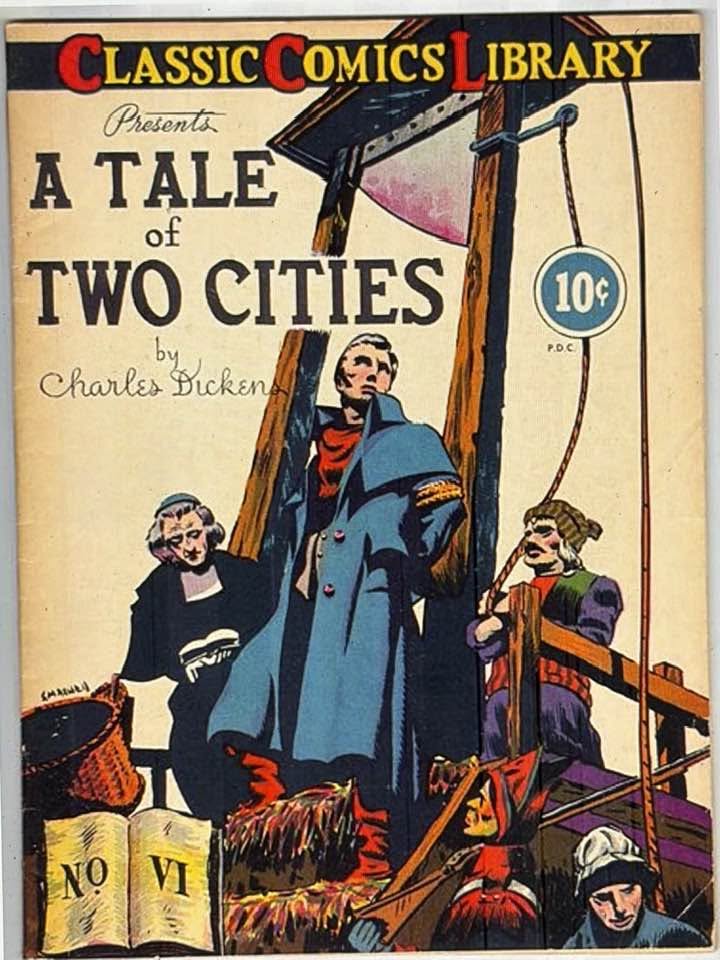
JUNE 26, 2026 – The most famous opening line in British literature is, “It was the best of times, it was the worst of times, it was the age of wisdom, it was the age of foolishness, it was the epoch of belief, it was the epoch of incredulity, it was the season of light, it was the season of darkness, it was the spring of hope, it was the winter of despair.” from A Tale of Two Cities by Charles Dickens.
As we examine our own times—through the lens of a magnifying glass revealing details but lacking the perspective that comes only with time and distance—parallels to the past grant us a frame of reference by which to understand better the present.
What now seems to have been eons ago politically, I used to remark to foreign visitors, “America has the best and worst of the world.” At the time, I thought I knew America and the world better than in fact I did.
In retrospect, my “bests” and “worsts” were naïve: American “bests” included generosity and hospitality; art, music and culture; engineering feats and scientific research; innovation and entrepreneurship; optimism and “can do” conviction; our top 500 colleges and universities; the diversity of our people; the beauty of our land and water. American “Worsts,” meanwhile, were L.A. smog and Love Canal; urban litter, big city street crime and rush hour traffic; lame TV shows and off-brand TV dinners; the Mets, Richard Nixon and John Mitchell.
Little did I know what was coming; little did I understand its break with our past.
And with the Semiquincentennial just days away, I worry that the inspiration value of the occasion will be squandered in the same manner as so many “bests” of America have been deported from the core of what “made America great.” Instead of a lofty presidential speech about the idealistic underpinnings of our national origins, we’ll hear nothing more elevated than nonsense about phantom vandalism targeting the Reflecting Pool. There will be no “rally round the flag” appeal from King Narcissus; no “On this one day, at least, let’s [pretend we’ve all graduated to eighth grade and] read together, the preamble to the Declaration of Independence. Let’s agree on a ceasefire covering cross-accusations of weaponization of everything, language most of all.”
No, instead of hearing about equality and liberty (in that order), we’ve been reduced to a political condition as pathetic as, “It’s the algae, stupid.”
Other countries have it bad too. Look at Russia or . . . Venezuela. I’m kidding. Look at our closest democratic ally (after the current regime kicked our very closest democratic ally and largest trading partner smack dab in the teeth), the not so United Kingdom, which, in the decade since Brexit, has chewed through six prime ministers. Or consider our next two critical European allies, France and Germany, both of which are experiencing major political fissures and related social and economic challenges. In other words, in our current malaise, we’re not alone.
But none of the other democracies has a “Declaration of Independence”—nor the national character that developed out of our extraordinary diversity. Even in our darkest hours, we managed somehow not only to survive but to overcome adversity. If our history is no closer to perfection than an obstreperous child is to exceptionalism, at least like the difficult kid with tons of potential, in past straits we summoned the best of ourselves and in many instances did right by the world.
By drawing on our “best” traits, can we shed the “worst” of our current juvenile delinquency? Can we aspire to . . . an age of wisdom, not an age of foolishness; an epoch of facts, not fictions; a season of light, not darkness; a spring of hope, not a winter of despair”? Pray that we find our way, if not on July 4, then most critically, by November 4.
Subscribe to this blog and received notifications of new posts by email.
© 2026 by Eric Nilsson
