OCTOBER 26, 2025 – Today our crew drove home from the Red Cabin so that our son Byron and his entertaining two-year-old could catch an evening flight back to Connecticut. I decided to leave the driving to him and sit in back, allowing my wife to sit up front to visit with the Connecticut Yankee.
I’m accustomed to being in the driver’s seat where I’ve got a clear view of the road and shoulders in front of me. Occasionally I steal a glance to one side or the other, but these side views are never long enough to pick out much detail. Today, however, my forward view was almost entirely blocked, but I was at complete liberty to peer out the backseat side windows.
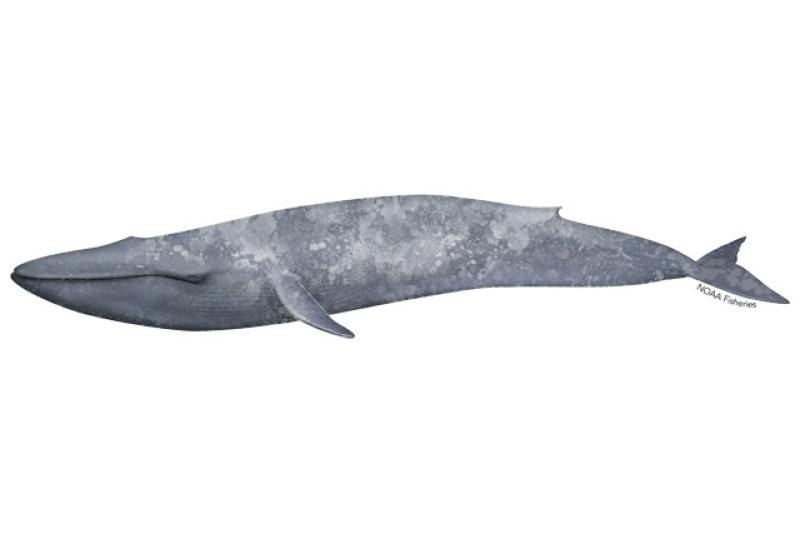
I soon realized that this must be how whales see. Well, not entirely. Instead of a binocular view, they’ve got one eye seeing everything to their left and a second eye catching sight of everything to their right. I wondered about this. Unless one eye is closed, how do whales reconcile the two completely different views as they swim through the ocean blue?
Almost immediately after Byron shifted into drive and we followed the narrow drive out to Yopps Road, I began noticing how different things appear—and the speed with which they fly by—from a sideways perspective. Once we turned onto the main drag—Wisconsin State Highway 27—I felt as though I were sitting in a compartment aboard a train hurtling across the countryside. Things in the distance—a grove of trees, a barn and silo—moved slowly, but trees, grass, rural mailboxes whizzed by at the speed of sound.
What I found most interesting, however, were houses and little outbuildings tucked away in the woods we passed; places that in all the decades I’d driven back and forth between home and cabin, I’d never known existed. Also intriguing were the narrow country roads that ran from the main road and curved out of sight beyond a rise in the land or bent around a copse and leading to places not so far away but hidden from view. I’d traveled through the area hundreds of times, I realized, but never laid eyes on most of it.
So it is true of the rest of the world, I thought, both physically and figuratively. I’ve walked, run, driven over many parts of the earth and read or heard about many parts more, yet nearly 100% of my view has been, well, looking straight ahead. If only I’d turned my head more while traveling, reading and living—to the left and to the right, I would’ve noticed far more than I have. And surely I’d be smarter about things if I had.
But it’s never too late to board the car, bus or train, take a seat, and watch the world go by—sideways. In so many contexts, I realized, I’ve missed the meaning and essence of something important, such as a concept, condition, set of facts, assumptions, perspective, simply because I was too trained and pressured to “forge ahead”; to “pursue a goal”; to “stay on task”; to “operate within accepted limits.” If only I’d taken my eyes off the straight course ahead and turned my view to see what fleeting bits of information and opportunity were flying past. Now that I’ve traveled one familiar route looking sideways the entire way, I see the way quite differently. I pledged to “do the whale look” with every book I read, every person I meet, every discourse I hear, every idea I entertain.
And who knows, but perhaps by looking sideways more, I can slow the aging process— paradoxically as the world flies by.
Subscribe to this blog and receive notifications of new posts by email.
© 2025 by Eric Nilsson

1 Comment
Love this.