JULY 16, 2025 – Yesterday, as I drove down our winding drive and drew closer to the lake, the stiff breeze played whirlybird with every single leaf in the dense vegetation along my way. At first the fluttering leaves looked as if they were hanging on for dear life, but then I began to see them as the happy hands of packed crowd along a parade route, welcoming me back to the Red Cabin. This thought put me in a good mood.
After unloading the car, I walked out to the dock to catch the full force of the south wind. In keeping with the deliciously hot sunny day, the lake looked like a playground of white caps, not a sea of troubled water. All was right with the world. But before I could set up for work on my “Pergola-on-a-Platform,” I heard a distant rumble. Sure enough: through the trees on the north side of the cabin, I saw not open blue sky but ominous black clouds. The rumbling grew louder.
I switched gears, put the project aside and went back out to the dock for a better look at the weather. The storm front was the leading edge of a fundamental change in atmosphere. A lightning bolt flashed, almost simultaneously with an ear-shattering thunderclap. Rain soon followed and a lighter version continued through the night and into this morning. Not until four this afternoon did the precipitation end altogether, though the continuous drip-drip off the trees gave a contrary impression. The temperature, meanwhile, had plummeted to 57F from yesterday’s high of 90.
After attending to “inside work” all day, I suited up in my dad’s old “siren suit[1]” over my ordinary cabin work clothes and headed into the woods. I made three trips to the intended site of my construction project, each time lugging tools and patio stones for support of the platform posts. By the end of this preliminary step, the bottom half of the siren suit was soaked, as were my socks and work boots, but if the mosquitoes were out, they were held at bay by my head-to-toe clothing coverage.
The skies were as gray at five this afternoon as they had been at nine this morning. The sun had gone AWOL, and nothing in my surroundings laughed or smiled. All was wet, quiet and dismal, though several times I heard the familiar tremolo of loons echoing through the woods from the lakeshore.
As I trudged up and down the long trail to “Mt. Raymond,” I wondered if the Pergola-on-Platform would fly, as it were. After all the hours of envisioning, drawing, analyzing, re-drawing the thing; after selecting, prepping, painting and organizing the various wooden members of the structure, would my structure fit together? Would it stand up? Would it match what I’d imagined inside my head, transformed into scale drawings and laid out on the front yard of the cabin?
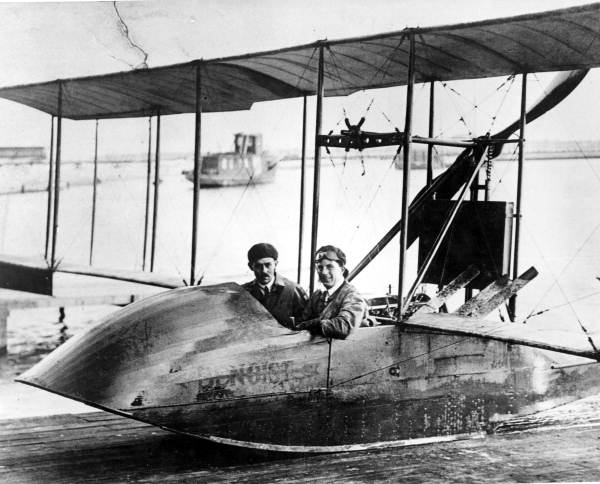
I felt a bit like an aviator between the days of the Wright Brothers at Kitty Hawk and the year or two working up to World War I, by which airplane designs had advanced significantly, though with plenty of room for further advancement—including, synchronizing the front-mounted machine guns with the propeller so that in aerial combat the pilot wouldn’t shoot off his sole means of propulsion. With a working knowledge and experience with carpentry tools but no engineering background, I’d worked up plans for an experimental aircraft and cut out all the parts. But how would I know that the plane would actually provide sustainable lift, carry me up into the clouds, and most critically, make a landing (from which I can walk away) back at the airfield? Answer: You won’t know if a thing will fly unless you try.
Tomorrow holds the promise of improved weather conditions. I hope to make major progress, starting with the exact location of the four platform-posts and working the ground so that the four patio stones are on the level. The structure members of the Pergola-on-a-Platform have been drawn and cut with precision, but it’s another matter to be messing around with earth that the Wisconsin Lobe of the glacier ice sheet shoved into place 12,000 years ago and that other forces of nature have contoured since. I anticipate hard work with a shovel, hoe, two-by-fours and all-important carpenter’s level.
Stay tuned. (And duck if you hear any low-flying aircraft.)
Subscribe to this blog and receive notifications of new posts by email.
© 2025 by Eric Nilsson
[1] Purchased in an army surplus store after WW II, the outfit is a full, zippered jump suit that Dad wore when working out in the woods during the fall. Grandpa wore one too, when he was helping out. The suit was popularized by Prime Minister Winston Churchill, who would don his when inspecting damage in London after night bombings during the Blitz. Because of its indirect link to air raid sirens, which preceded the bombings, which were followed by Churchill’s inspection, the suit became known as a “siren suit.”
